
Designing Functional Family Living in Tight Urban London Spaces
How we transform Victorian homes for modern family life
Victorian terraces lining London’s streets were designed for a very different way of living. Their layouts reflected a strict hierarchy: servants in attic rooms, formal reception spaces below, and compartmentalised family life arranged across separate floors. Rooms had fixed functions, circulation was narrow, and natural light was often secondary to order and structure.
Modern family life demands the opposite - connected spaces, flexibility, generous daylight and a sense of flow.
At London Atelier Architects and Interior Designers, we specialise in transforming these constrained footprints into contemporary family homes while carefully respecting their architectural heritage. Working within listed buildings and conservation areas, we navigate London’s complex planning frameworks and structural limitations to create homes that feel open, coherent and future-ready - without compromising their historic character.
The challenge lies in achieving contemporary spatial flow within tight footprints, protected façades and ageing structures. Through considered design and strategic intervention, we unlock the potential of these historic homes for modern living.
The Victorian challenge
Victorian homes were compartmentalised by design. Charles Booth's 1886 poverty maps reveal how these buildings originally functioned, mapping London street by street using colour codes from black ("lowest class") to yellow ("upper classes"). His research showed wealthy and poor living side by side in identical building types serving radically different purposes.
Original layouts included:
Servants' quarters isolated from family areas
Kitchens in basements or rear extensions
Formal reception rooms at street fronts
Rigid circulation patterns
Today's families need open kitchens, home offices and flexible living, difficult within the existing tight footprint.
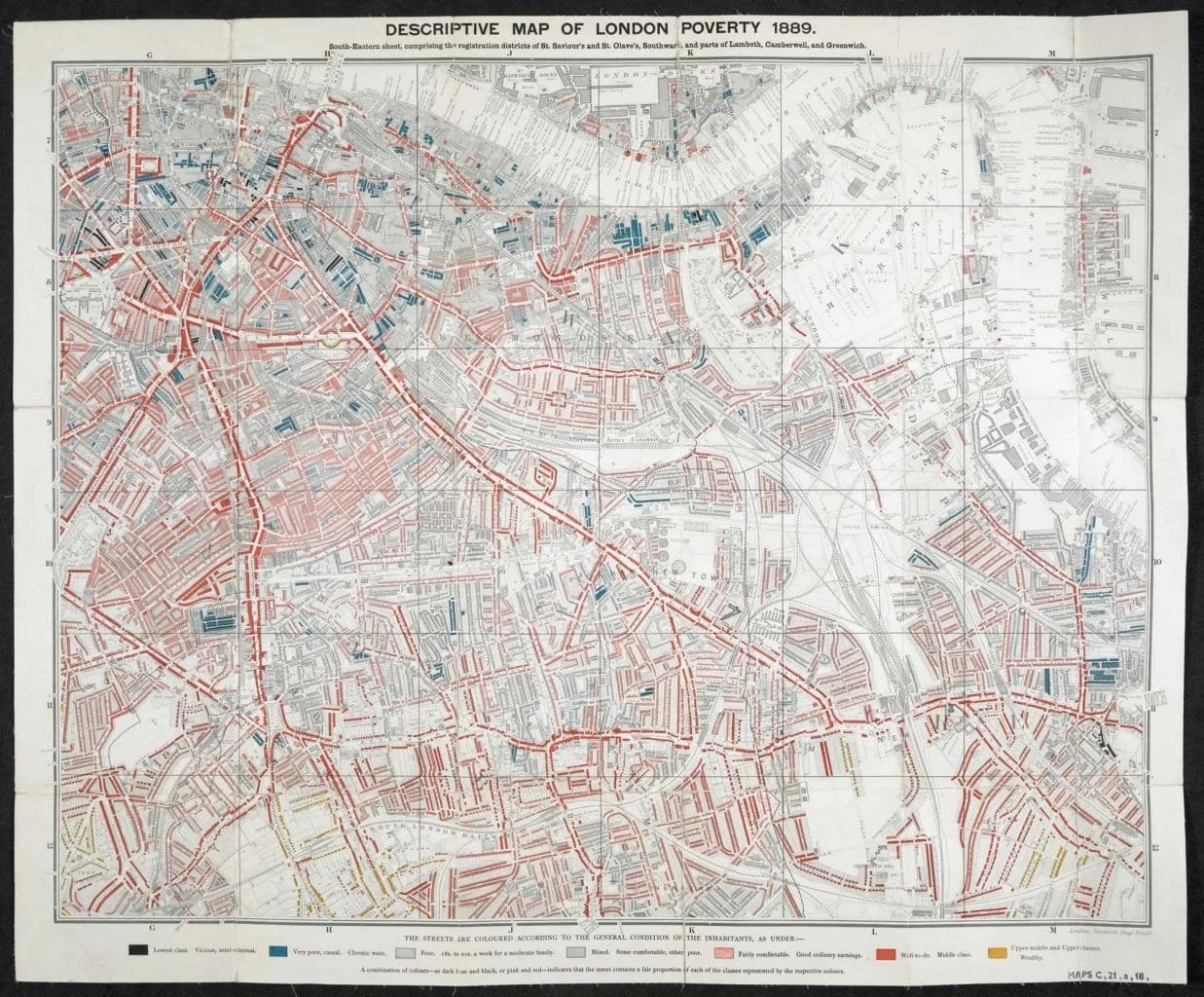
Descriptive Map of London Poverty, Charles Booth (British Library)
-
Most Victorian terraces sit in conservation areas or are listed buildings, creating specific limitations:
External alterations and roof modifications are often heavily restricted, particularly within conservation areas or listed buildings.
Window replacements typically require matching materials, profiles and detailing to preserve the original character.
The scale, height and depth of extensions are constrained by local planning policies and neighbour impact considerations.
Structural challenges frequently run throughout the floor plan, limiting the removal of walls or introduction of large openings.
Existing foundations were designed for different structural loads, making upward extensions or significant alterations technically complex.
Shared party walls with neighbouring properties introduce additional structural, legal and coordination requirements.
We navigate these through early feasibility studies and pre-purchase advice, establishing what's achievable before design begins.
-
One of the most effective transformations involves reconsidering vertical space:
Loft conversions add bedrooms or studios without increasing footprint
Basement excavations create family rooms, utilities, guest suites
Triple-height volumes transform dark circulation into light-filled features
Roof lights bring daylight to central zones
Exposed ceiling joists can increase height while adding character
Both loft and basement work require careful structural assessment and planning approval, but unlock significant additional space within the existing envelope.
-
Victorian floor plans were compartmentalised by necessity. Modern family life deserves flow:
Remove non-structural walls between kitchen, dining, living areas
Create sightlines through the property for visual connection
Preserve Victorian features (cornicing, fireplaces) as focal points
Maintain original proportions where they add character
Strategic structural interventions allow open-plan ground floors
Adding extensions, sometimes across multiple floors
Past Victorian Home Projects


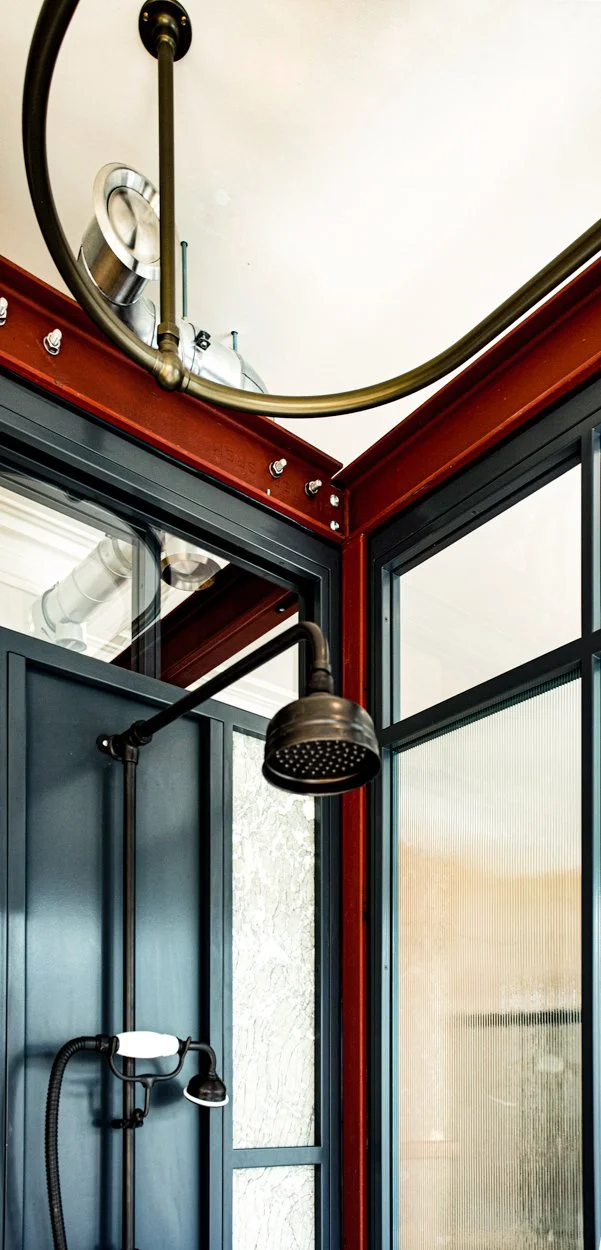


Oscar Wilde, Tite Street 2, Chelsea
After carefully uncovering layered Victorian finishes, we deliberately featured them as an artistic statement.
Steel and glass doors and partitions were meticulously crafted to establish necessary divisions without fixing into protected walls, while freestanding oak and marble joinery provides essential services and storage.
The material palette directly responds to discoveries made on site: Iranian green Verde Antigua marble echoes the original green paint shades found on walls, with kitchen cabinetry designed to allow historic finishes to travel freely around them.
Light illuminates the old fabric, unveiling vibrant colours and textures, while clean lines of metalwork and marble slabs complement rather than compete with historic elements, creating a captivating fusion of past and present.


St. James’s Street, Top Floor, St. James
Located within the St. James's Conservation Area in a pioneering Victorian building that incorporated both steel and concrete, the design harmonises with the building's historical character while addressing modern functional needs.
Sliding and folding partition walls offer flexibility for four distinct spatial arrangements. The flat can transition from its original Victorian-style cellular layout to a contemporary open-plan design simply by adjusting the screens.
Original elements like skirting boards and cornices were restored, offering a striking contrast to the minimalist aesthetics of newly added components
The master bedroom features a generously proportioned layout divided by a leather-clad storage unit serving as a beautifully textured partition, maximising function without consuming floor area.
Diamond House, Battersea
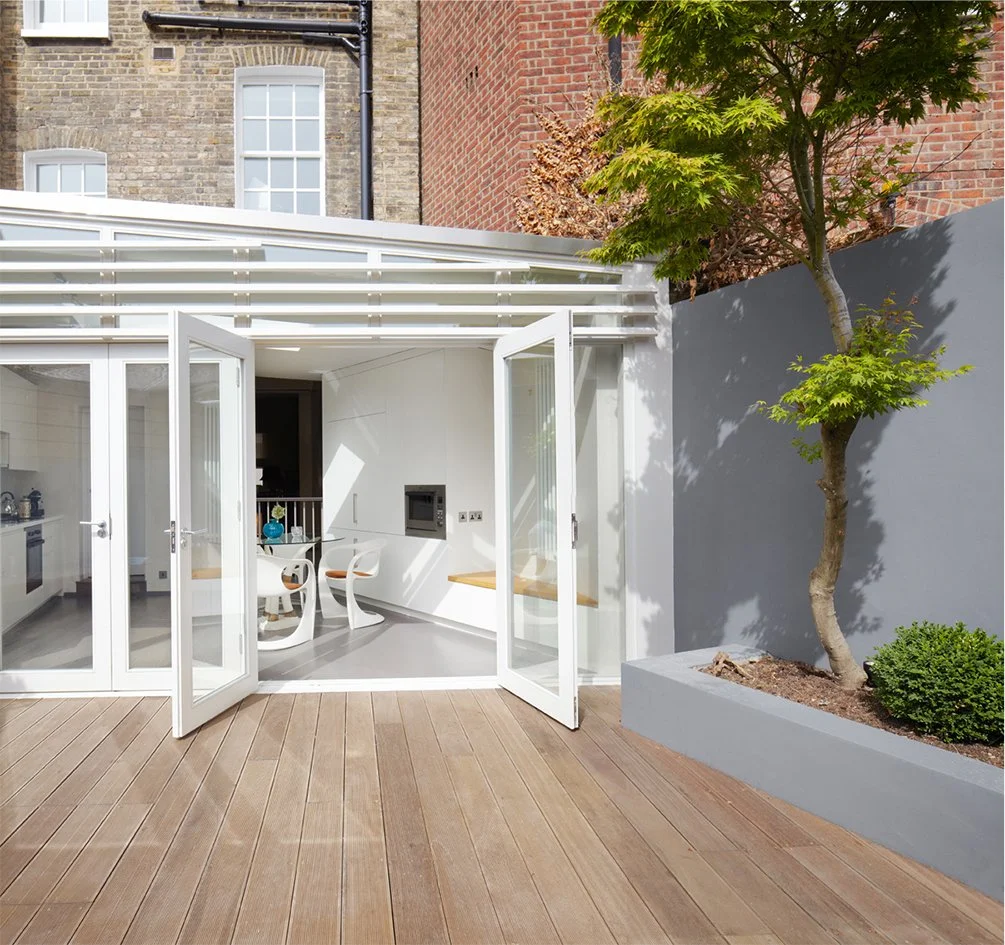
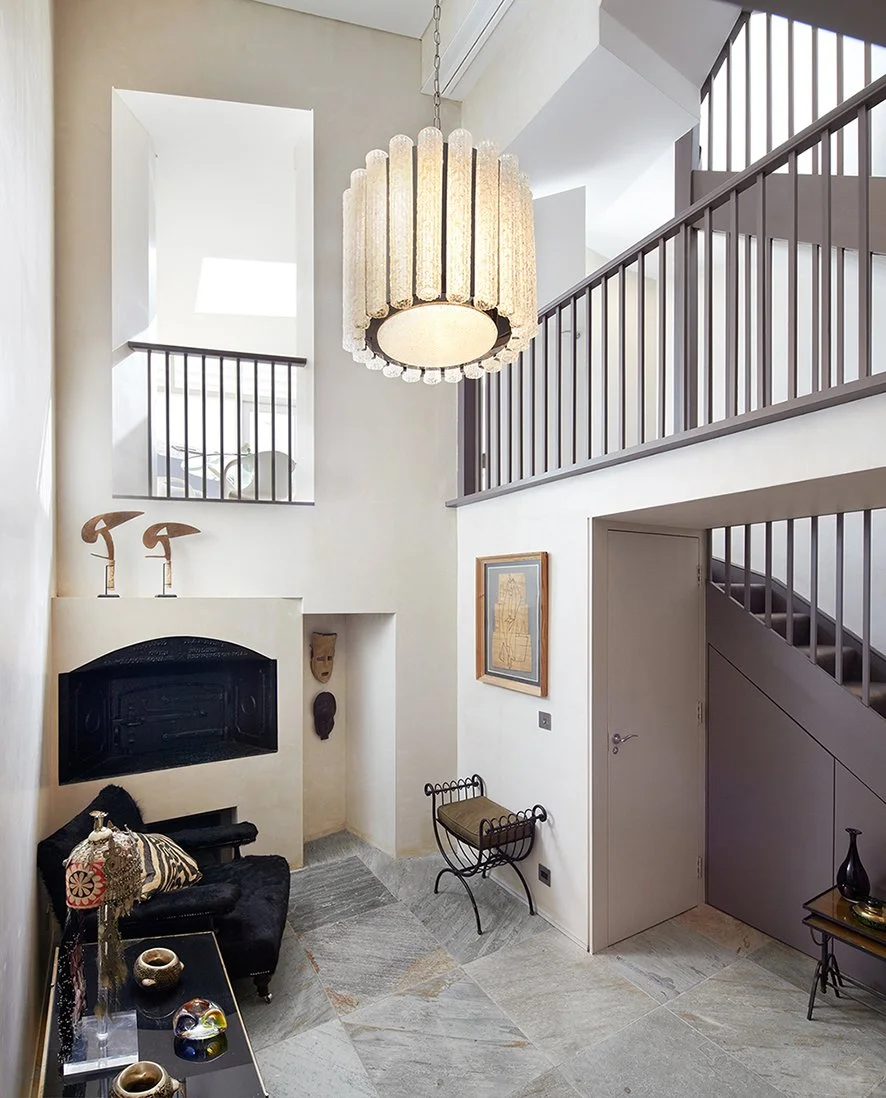
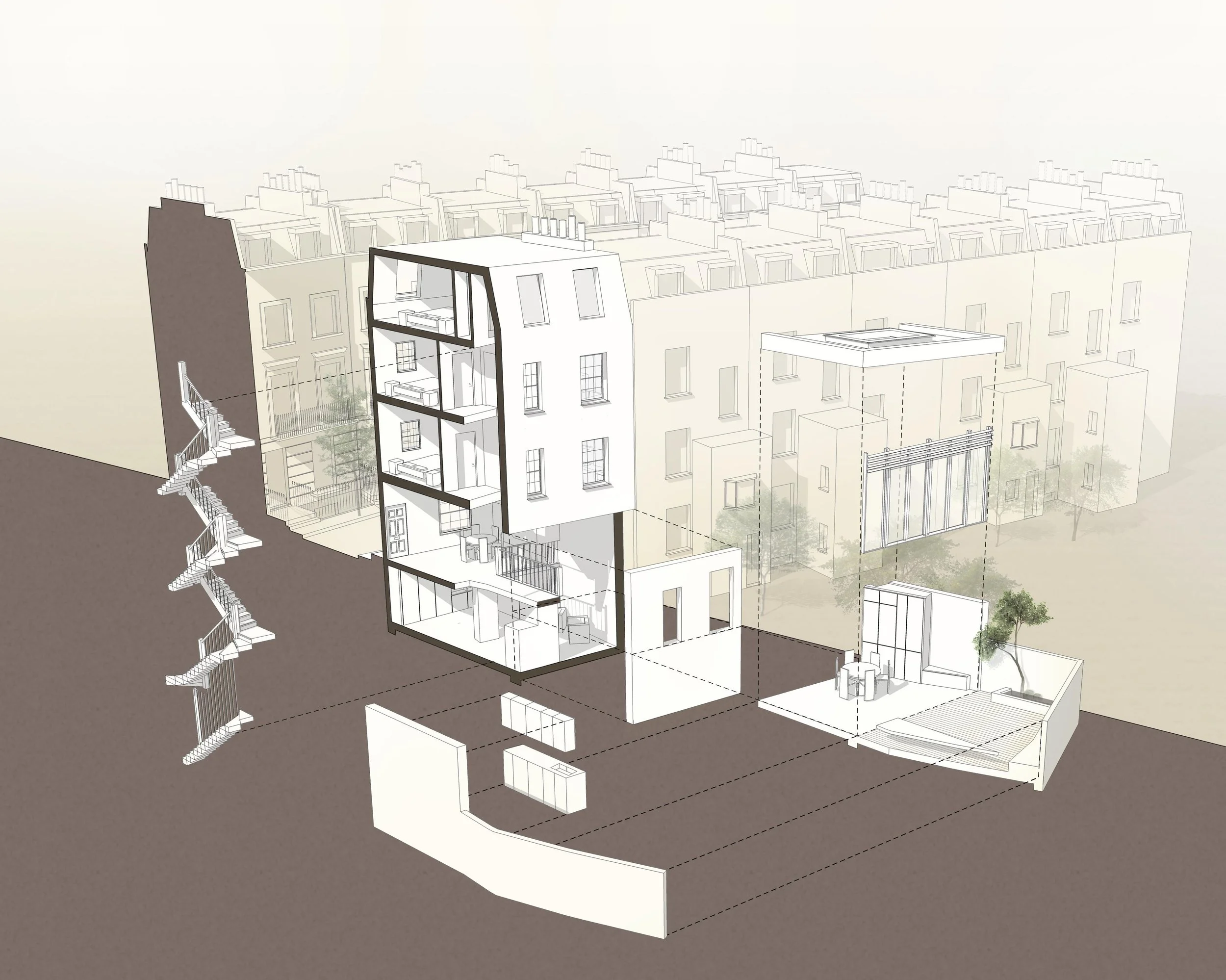
The unusual diamond-shaped footprint and history as a Victorian bakery were central to our design. We created an internal stair core wrapped with a 'thick wall' traveling the height of the building to house bathrooms, WCs and storage.
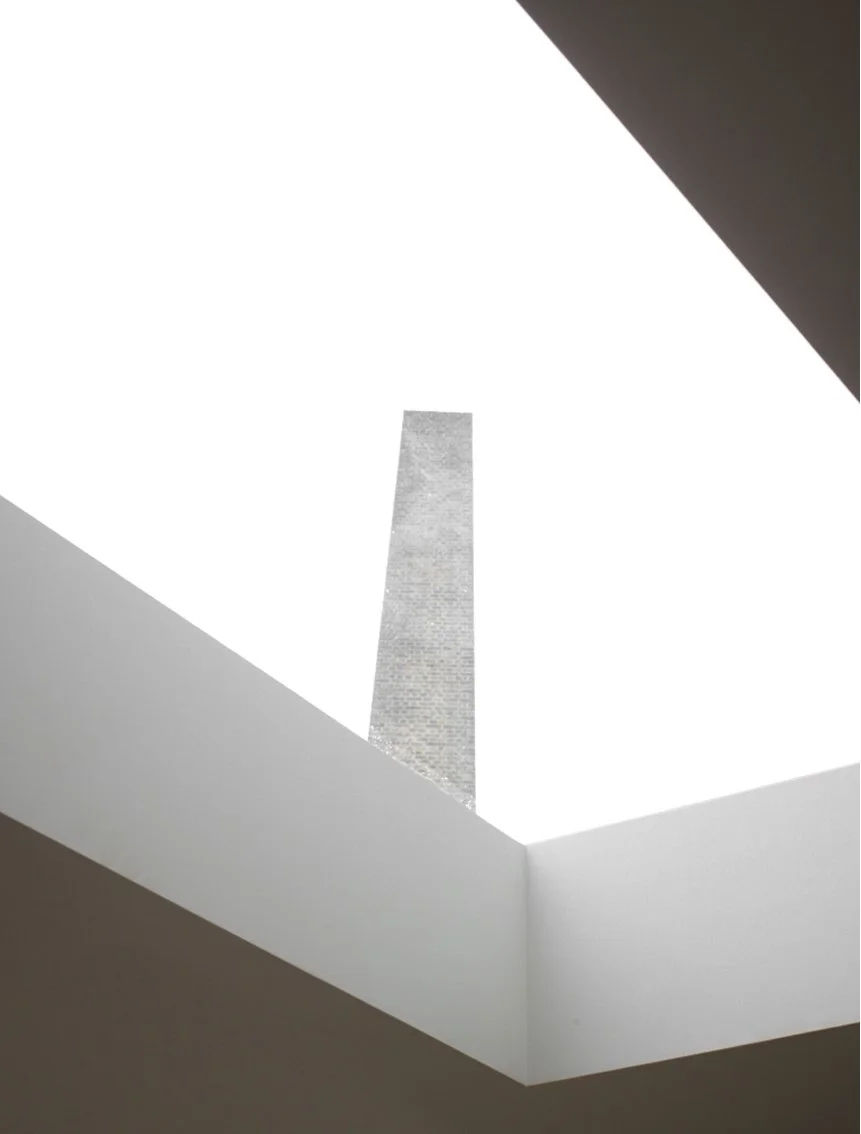
Between ground floor and basement, we created a large void that connects the two spaces and gives view of the original chimney from the centre of the home, making the low ceiling height of the lower ground floor feel comfortable.
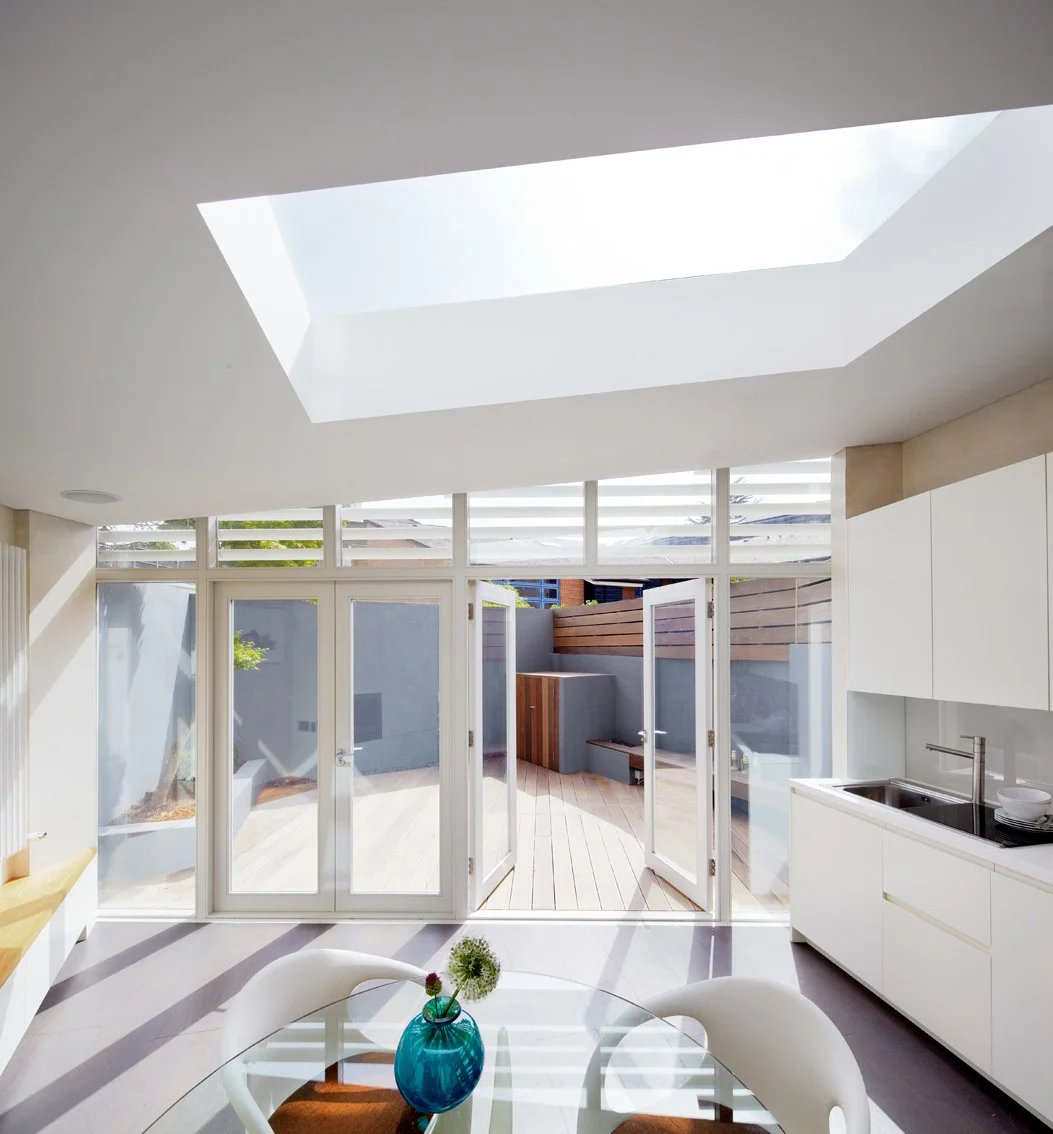
The new rear extension and bespoke kitchen follow the angles of the house and open to the garden.
Walls are finished throughout using a pigmented plaster mixture with textured finish reminiscent of bread mixture, adding depth and natural colour variation that complements rather than sterilises the old.
Good design works with constraints, not against them.
Victorian London's tight urban fabric presents challenges, but those constraints often lead to the most thoughtful solutions. When spatial limitations, planning restrictions and budget realities are addressed from the beginning - through feasibility studies, structural assessments and careful material selection - family homes emerge that respect their history while serving contemporary life.
At London Atelier Architects, we help at every stage, from feasibility, through construction to completion, ensuring these transformations deliver lasting value.